
back lit mirrors
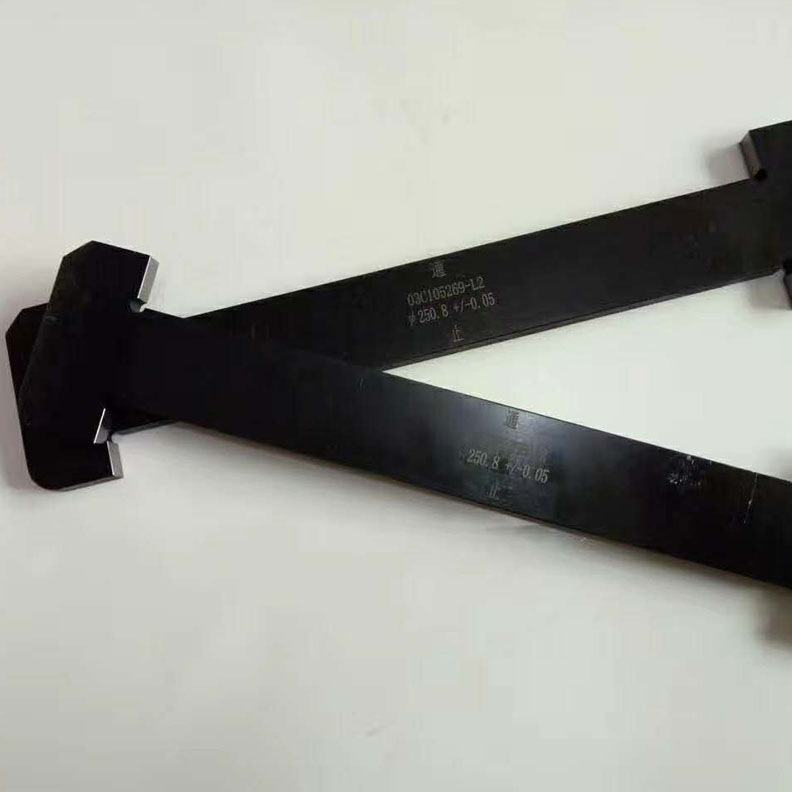
Understanding the Importance of Inside Bore Gauges in Precision Engineering In the field of precision engineering, measurements play a crucial role in ensuring that components meet their specified tolerances. One of the most critical tools in this realm is the inside bore gauge, which allows engineers and machinists to measure the internal diameter of bores with exceptional accuracy. This article explores what inside bore gauges are, their importance in manufacturing processes, and how they contribute to the overall quality assurance of engineered products. What is an Inside Bore Gauge? An inside bore gauge is a specialized measuring instrument designed to assess the diameter of cylindrical openings—such as holes, tubes, and pipes. Typically, these gauges consist of a base and a set of measuring extensions or probes that can expand or retract to fit within the bore being measured. The device is calibrated to provide readings in either imperial or metric units, often displaying results on a dial or digital screen. Inside bore gauges can be made from various materials, including stainless steel and plastics, and they come in different configurations to suit specific applications. Generally, these tools enable precision measurements up to a thousandth of an inch or a fraction of a millimeter, making them indispensable in industries that demand high-quality standards. Why Are Inside Bore Gauges Important? 1. Accuracy and Precision The primary function of an inside bore gauge is to provide precise measurements. In industries like automotive, aerospace, and manufacturing, even the slightest deviation from the required dimensions can lead to catastrophic failures. Inside bore gauges help ensure that each component fits perfectly, avoiding costly rework and potential safety hazards. insize bore gauge 2. Quality Control Inside bore gauges are integral to quality control processes. By measuring the internal diameters of components, quality engineers can verify that the parts manufactured meet specific design specifications. This adherence to quality assurance protocols not only boosts the reputation of a brand but also enhances customer satisfaction. 3. Versatility These gauges can be used for a variety of applications. Whether measuring the size of a hole in a casting, inspecting the internal diameter of pipes, or assessing the bore of a hydraulic cylinder, inside bore gauges are capable of handling diverse tasks. Their versatility makes them vital for different sectors, including construction, manufacturing, and maintenance. 4. Ease of Use Inside bore gauges are designed with user-friendliness in mind. Many models feature intuitive operation that allows even those with minimal training to take accurate measurements. This convenience can lead to time savings in high-production environments where efficiency is crucial. 5. Durability Given their essential role in manufacturing, inside bore gauges are built to withstand wear and tear. High-quality materials and thoughtful design ensure that they can endure frequent use without losing their measuring capabilities. This durability makes them a reliable investment for organizations aiming to maintain high standards in their production processes. Conclusion Inside bore gauges may seem like a small component in the grand scheme of precision engineering, but their importance cannot be overstated. They serve as vital tools that ensure accuracy, uphold quality control standards, and enable versatile applications across various industries. By investing in high-quality inside bore gauges, businesses can enhance their operational efficiency and maintain the integrity of their products. In a world where precision is paramount, understanding the mechanics and significance of inside bore gauges is essential for anyone involved in engineering and manufacturing. As technology advances, these tools are likely to evolve, integrating digital features and automation to further improve measurement accuracy. Ultimately, inside bore gauges will continue to play a pivotal role in shaping the future of precision engineering, ensuring that components are manufactured to perfection—one gauge at a time.
about
back lit mirrors
Replacing Water Cut-off Valves A Comprehensive Guide Water cut-off valves are essential components in any plumbing system. They are designed to stop the flow of water in pipes, allowing for maintenance and repairs without the need to drain the entire system. Over time, these valves can wear out or malfunction, leading to leaks or water supply issues. Replacing a worn or faulty cut-off valve is crucial for maintaining the integrity of your plumbing system. This article will guide you through understanding the importance of water cut-off valves, recognizing signs that they need replacement, and providing a step-by-step process for the replacement. Importance of Water Cut-off Valves Water cut-off valves serve several critical functions in a building's plumbing system. Primarily, they facilitate maintenance by allowing you to isolate sections of the plumbing without shutting off the main water supply. This is particularly important in larger properties where shutting off water can affect multiple fixtures. Additionally, they help in preventing water damage during emergencies or unexpected leaks. By allowing swift action, such as shutting off the water supply to a damaged pipe, cut-off valves play a crucial role in protecting your home from extensive damage and costly repairs. Signs You Need to Replace Your Water Cut-off Valve Identifying when a water cut-off valve needs to be replaced is essential. Here are some common signs to look for 1. Leaking Water If you notice water pooling around the valve or dripping from the valve itself, it is often a sign of wear and can indicate that the valve needs replacing. 2. Difficult to Operate If turning the valve is challenging or it doesn’t close completely, it might be damaged internally and could require replacement. 3. Corrosion or Rust Inspect the valve for signs of corrosion or rust. These can weaken the valve and lead to failure. 4. Unusual Noise Any hissing or whistling sounds coming from the valve or pipe can indicate pressure or flow issues, which may suggest that the valve is failing. 5. Old Age If your valve is significantly outdated, it may be wise to replace it outright, even if there are no immediate signs of failure. Steps to Replace a Water Cut-off Valve Replacing a water cut-off valve may seem daunting at first, but with the right tools and a little know-how, you can tackle this project yourself. Here’s a step-by-step guide replacing water cut off valves Tools and Materials Needed - Adjustable wrench - Pipe wrench - Screwdriver - Replacement valve (ensure it’s compatible with your plumbing) - Teflon tape - Bucket or towels (to catch any leaking water) Instructions 1. Turn off the Main Water Supply Before starting, ensure that the main water supply to your home is completely turned off. 2. Drain the Pipes Open faucets near the valve to drain any remaining water from the pipes. 3. Remove the Old Valve Using the adjustable wrench, loosen the nuts connecting the old valve to the pipes. Carefully remove the valve. Be prepared for some residual water to leak out into the bucket or towels. 4. Clean the Pipe Ends Once the old valve is removed, clean the ends of the pipes to remove any debris or old plumbing tape. 5. Install the New Valve Wrap Teflon tape around the threads of the new valve to ensure a watertight seal. Position the new valve onto the pipes and tighten it using the pipe wrench. Be careful not to overtighten, as this could damage the pipes. 6. Check for Leaks Turn on the main water supply and check for any leaks around the newly installed valve. If leaks are present, tighten the connections slightly, but avoid overtightening. 7. Test the Valve Finally, turn the valve on and off a few times to ensure it operates correctly and that there are no leaks. Conclusion Replacing a water cut-off valve is an important home maintenance task that can help prevent water damage and ensure your plumbing operates efficiently. By recognizing the signs of a failing valve and following the step-by-step replacement process, homeowners can take control of their plumbing systems and enjoy peace of mind. Remember, when in doubt, consulting with a professional plumber is always a wise choice. Investing time and effort into maintaining your plumbing can save you significant costs in the long run.
-

High quality industrial productsagement

High quality industrial products
View Details -

Meet the diverse needs of customers

Meet the diverse needs of customers
View Details -

Strict quality control

Strict quality control
View Details -

Top raw materials

Top raw materials
View Details -

Trusted supplier

Trusted supplier
View Details
Our application

news and information

water valves on or off
Understanding Water Valves On or Off Water valves play a crucial role in the distribution and regula
Y Type Water Strainer for Efficient Filtration Solutions and Flow Management
Understanding Y-Type Water Strainers A Comprehensive Overview Water strainers are vital components i
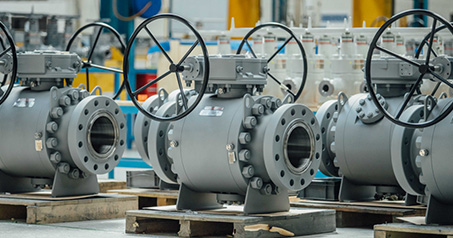
Water control valve
Understanding Water Control Valves Function, Types, and Applications Water control valves are pivota
 English